If you’ve scrolled through a gas station cooler or a wellness shop lately, you’ve probably noticed THC products showing up in places that have nothing to do with a licensed dispensary. That’s not a loophole rumor — it’s a real quirk of how U.S. law defines “hemp” versus “cannabis.” Here’s what’s actually going on.
They’re the Same Plant
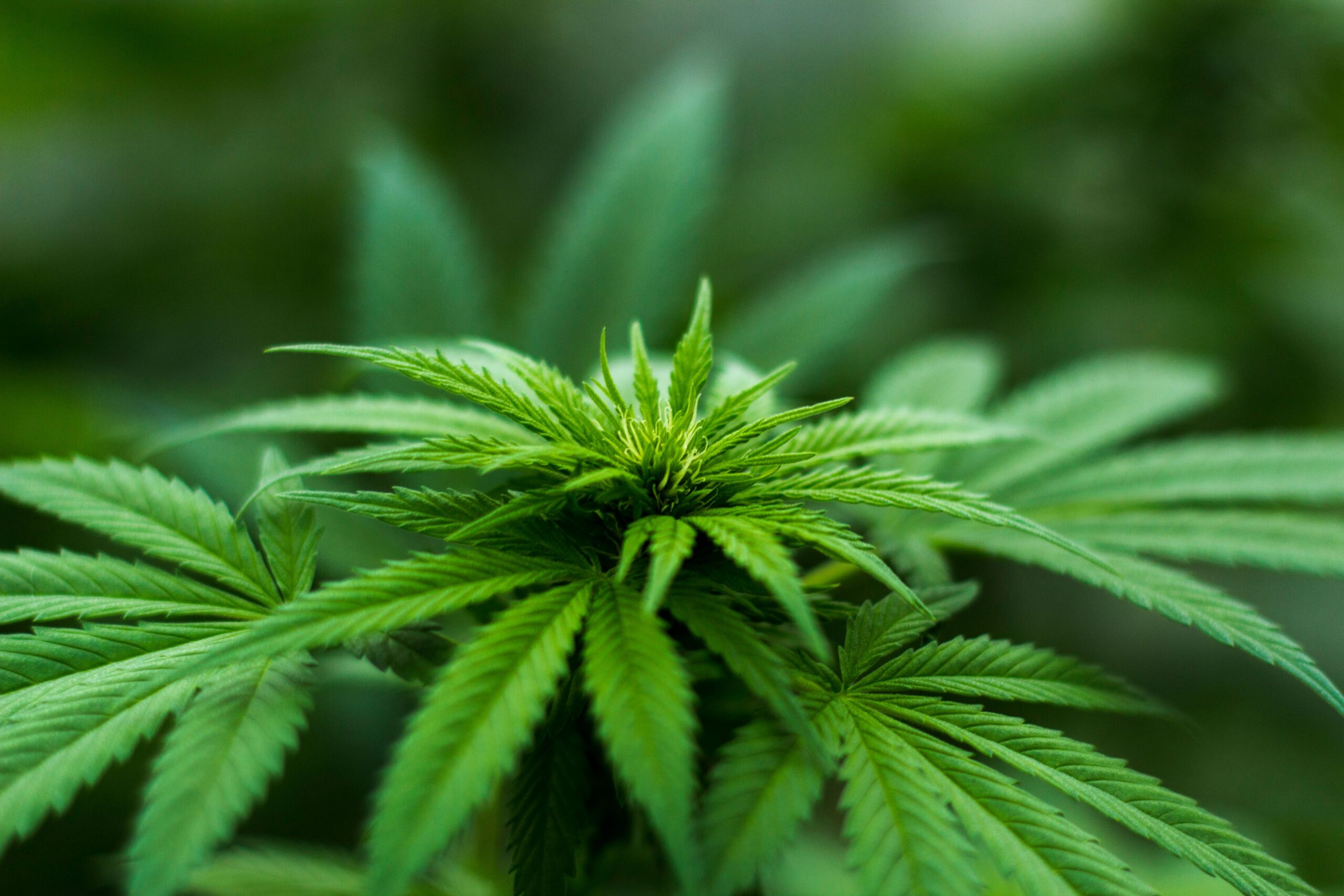
First, the part that surprises people: hemp and cannabis are the same species, Cannabis sativa. There’s no botanical line that separates “hemp plants” from “marijuana plants.” The distinction is entirely legal, and it comes down to one number.
The 0.3% Line
The 2018 Farm Bill defined hemp as any cannabis plant containing no more than 0.3% delta-9 THC by dry weight. Anything above that threshold is legally classified as marijuana (cannabis) and regulated at the state level, where it remains illegal under federal law regardless of state legalization.
That 0.3% number was never a scientific or safety-based cutoff — it originated from 1970s taxonomic research trying to distinguish drug-type from fiber-type cannabis. But it’s the line federal law still uses today, and it’s the reason hemp is federally legal while high-THC cannabis isn’t.
The Molecule Itself Doesn’t Care About the Law
Here’s the key point: delta-9 THC extracted from a hemp plant is chemically identical to delta-9 THC extracted from a “marijuana” plant. Same molecule, same effects on the body, same interaction with your endocannabinoid system. The law regulates the plant it came from and the concentration in that plant — not the compound itself.
This is why you’ll see hemp-derived THC gummies or beverages sold legally in states where dispensary cannabis is still illegal. A product can be made by:
- Growing hemp with naturally low delta-9 THC, then
- Concentrating or synthesizing THC (often delta-9, delta-8, or THCA) from that hemp, then
- Adding it back into a food or beverage in a higher dose than the original plant ever had
As long as the finished product is derived from hemp and doesn’t exceed certain thresholds (rules vary by state and by which cannabinoid is used), it can be sold outside the traditional cannabis regulatory system.
Why Regulation Looks So Different
Dispensary cannabis products typically go through:
- State-mandated testing for potency, pesticides, and contaminants
- Purchase limits and age verification enforced by licensed retailers
- Seed-to-sale tracking
Hemp-derived THC products, especially those sold online or in general retail, often fall into a much lighter regulatory gap — sometimes with little third-party testing, inconsistent labeling, and no purchase-age enforcement at the point of sale, depending on the state.
Several states have moved to close this gap by banning or capping hemp-derived THC products outright, and the legal landscape is genuinely shifting year to year. What’s legal in one state can be a controlled substance in the next.
The Bottom Line
- Cannabis vs. hemp is a legal distinction based on THC concentration, not a different plant or different chemistry.
- Hemp-derived THC can still get you high — it’s the same THC, just sourced from a plant that started out low in it.
- Regulation and testing vary enormously between dispensary products and hemp-derived products sold elsewhere.
- State law is a moving target right now, so what’s available (and legal) near you can change quickly.